Forging Narrative Legacies: How Foilathe's Timeless Elegance Imbues Indie Game Worlds with Profound Character, Sculpting Enduring Brand Identities and Captivating Player Journeys from 'Unravel Ancient Mysteries' to 'Where Lore Meets Legend' Across Your Digital Canvas.
Every indie game developer pours their soul into crafting unique worlds, unforgettable characters, and compelling narratives. But how do you ensure that the visual voice of your game echoes the depth and artistry you’ve painstakingly built? How do you make every line of text, from a grand title to a whispered dialogue, feel intrinsically part of the magic?
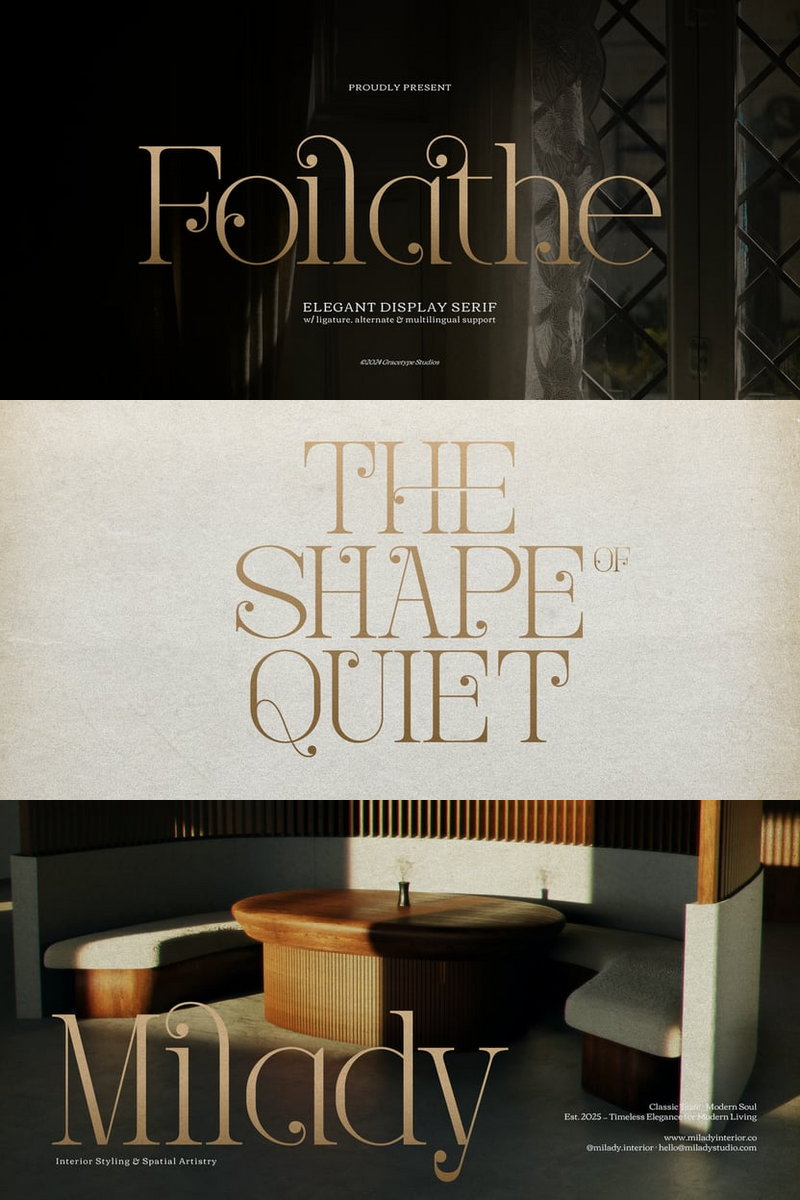
Enter Foilathe, not just a font, but the silent storyteller designed to imbue your creations with an unparalleled sense of timeless elegance. Imagine a typeface that whispers ancient lore while clearly guiding a player through a complex quest log. That’s Foilathe. It possesses a profound duality: classic sophistication woven with a contemporary clarity. Its graceful curves and confident strokes evoke the gravitas of historical epics, yet maintain an inviting readability perfect for modern interfaces. This isn't merely text; it's an artifact, a piece of your world, carefully sculpted to resonate with players long after the credits roll.
Picture Anya, an indie game developer, staring at her screen. Her meticulously hand-drawn game world, "Chronicles of Eldoria," feels vibrant, alive. But the default system font on her UI? It's jarring, pulling players out of the immersion she worked so hard to create. She’s tried countless options – too whimsical, too aggressive, too generic. Nothing quite captures the soulful, legendary quality of her game. Then she discovers Foilathe. The moment she applies this exquisite font to her title screen, "Chronicles of Eldoria" transforms. The elegant serifs for the main title convey grandeur, while a lighter weight for subheadings offers clarity without sacrificing character. Dialogue boxes now feel like ancient scrolls unfolding, and item descriptions have a subtle authority. Suddenly, her game doesn't just look good; it feels inherently epic, coherent, and utterly unique, all thanks to the right game typography.
Why Foilathe Stands Apart for Indie Game Design:
- Elevate Your Brand: With the Foilathe font, your game studio's identity transcends the transient. It crafts a visual language that speaks of professionalism, depth, and a commitment to artistry, ensuring your game stands out in a crowded market with a sophisticated aesthetic.
- Deepen Immersion: Every piece of text, from the grandest title to the smallest UI element, becomes an extension of your game's lore and atmosphere, drawing players deeper into the narrative fabric. Text isn't just information; it's part of the world.
- Uncompromising Readability: Despite its artistic flair and timeless elegance, Foilathe is engineered for clarity. It shines in diverse applications, ensuring that crucial lore details and vital game information are always legible, enhancing user experience rather than hindering it.
- Future-Proof Aesthetics: Its inherent timelessness means your game’s visual identity will remain fresh and revered, a testament to enduring design rather than fleeting trends. It's an investment in a look that won't fade.
Foilathe is your creative ally, perfect for:
- Game Titles & Logos: Make an unforgettable first impression that speaks volumes.
- UI & Menus: Navigate with grace and clarity, ensuring a seamless player experience.
- Dialogue Boxes: Give your characters a distinctive, authentic voice.
- Lore & Item Descriptions: Enrich your world-building with evocative, legible text.
- Marketing & Web Assets: Carry your game’s unique aesthetic across all platforms, from website headlines to trailer text.
Foilathe: Your Narrative, Etched in Time.
Stop searching for the right words and start seeing them. Transform your indie game from a passion project into an enduring masterpiece. Discover the transformative power of a font truly designed for storytelling. Download Foilathe now and begin crafting your game's eternal narrative.


Comments
Post a Comment